
What is the new invoice system and why is it important?
The information in this article has been checked by a scrivener in Japan.
In the digital era, the continuous search for efficiency-driving solutions remains paramount for businesses. The recent rollout of the new invoice system in Japan represents a significant leap in streamlining invoice processing for companies nationwide. Yet, this change hasn’t been met with universal acclaim, particularly within the small business sector. Sole proprietors will gradually have to return the sales tax collected back to the government. Previously, they had been able to collect and keep the sales tax collected for their personal income while their corporate clients have been able to write off the sales taxes paid to them.
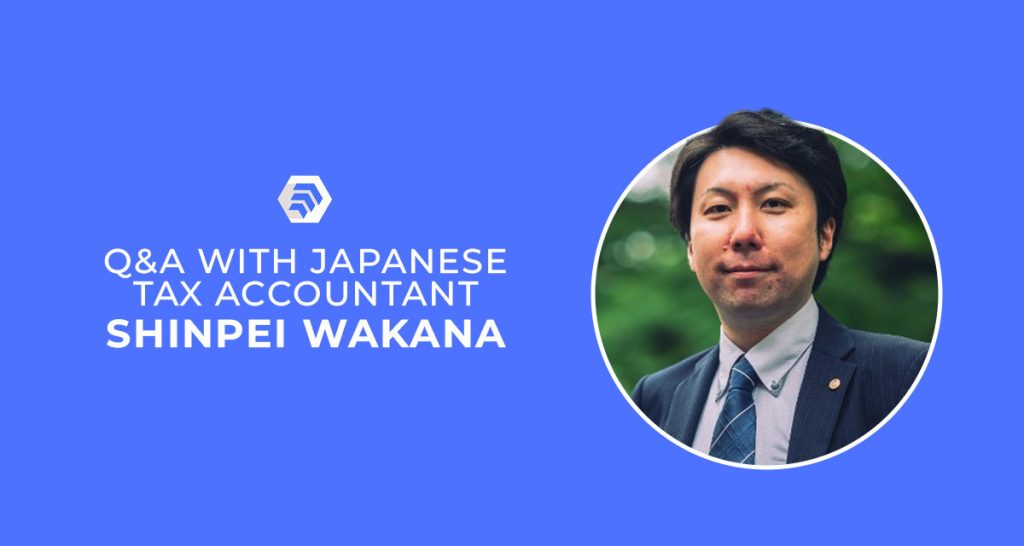
This change will impact both sole proprietors and the companies that deal with them. This article will explain the basics of the new Japanese invoice system, detailing its features and potential benefits for companies operating in Japan. To ensure a thorough understanding, we’ve enlisted the expertise of Shinpei Wakana, a certified public accountant specializing in tax audits for small to medium-sized enterprises.

Japan’s Qualified Invoice System and Tax Rules (2025 Update)
The Qualified Invoice System (QIS), introduced in October 2023, has now become a key component of Japan’s modern tax administration. By 2025, the system has fully taken root across industries, marking a significant step toward transparency, digital compliance, and standardized recordkeeping for consumption tax (JCT).
The 2025 update reflects both system stabilization and regulatory improvements, including the Peppol e-invoice update (PINT v1.1.1), new digital recordkeeping requirements, and ongoing transitional measures for small and medium-sized enterprises (SMEs).
About Shinpei Wakana
Shinpei Wakana, a Certified Public Accountant and Keio University alumnus, has a decade of experience specializing in Corporate and Sales Tax, particularly tax audits for small and medium-sized businesses. Fluent in English, he ensures smooth and effective communication with international clients, offering personalized and accessible support tailored to their individual needs.
Leveraging modern digital tools such as Slack, Chatwork, Xero, and QuickBooks, Wakana combines convenience with professional expertise. This digital fluency, coupled with his in-depth knowledge of tax regulations, positions him as a leading authority in financial consulting. See Match.Points Accounting and check out Q&A with a Japanese Tax Account follow-up to learn more about Wakana’s dedication to helping businesses navigate their financial and tax needs.
About Scaling Your Company
Scaling Your Company helps businesses achieve sustainable growth and scalability. With a team of experienced professionals, we provide tailored strategic consulting services to address the unique needs of each client. From optimizing operations to accessing new markets, our expertise covers various areas crucial to successful scaling. Additionally, our website serves as a valuable resource hub, offering articles, case studies, and educational programs that empower entrepreneurs with the knowledge needed for effective expansion. By organizing workshops and seminars, Scaling Your Company fosters a community of industry experts who share insights and best practices, enabling businesses to navigate the complexities of scaling with confidence.
If you aim to break into the Japanese market, our video series Japan Business Seminars provides invaluable insights featuring industry experts. For a detailed look into taxes, watch Japanese Taxes Q&A with a Japanese Tax Accountant. You can also check out Japanese Labor Law Q&A with a Japanese Sharoushi and Renting An Office In Japan Seminar with Corey Nedz of Jump Start Abroad. For exclusive updates and more, subscribe to our newsletter at Scaling Your Company.
Further Reading: For those considering hiring an accountant in Japan or looking to understand more about the financial landscape here, you won’t want to miss this comprehensive guide: The Ultimate Guide to an Accountant in Japan.
- What is the new invoice system and why is it important?
- Japan’s Qualified Invoice System and Tax Rules (2025 Update)
- Understanding the Qualified Invoice System (QIS)
- What is consumption tax?
- What are the transitional measures for deductible consumption tax on purchases?
- Comparison: Deductible Consumption Tax (2025–2029)
- Will There Be More Changes in the New Invoice System in 2026 and Beyond?
- Why use Match.Points?
- Final Thoughts
Understanding the Qualified Invoice System (QIS)
The Qualified Invoice System (QIS), implemented in October 2023, is one of the most significant tax reforms in Japan’s recent history. It was introduced to improve transparency and accuracy in the Consumption Tax (JCT) process, which applies to every stage of the supply chain.
Under the previous system, businesses could claim input tax credits using standard invoices, but verification was difficult and errors or fraud were not uncommon. The QIS now requires all businesses that wish to issue invoices eligible for input tax credits to register as Qualified Invoice Issuers with the National Tax Agency (NTA).
This system ensures that every transaction between businesses, from small retailers to large corporations, is traceable, verifiable, and standardized. It has strengthened compliance, fairness, and trust within Japan’s tax ecosystem.
The QIS was created to achieve several key objectives:
- Transparency: Every taxable transaction is tied to a verified business registration number issued by the NTA, minimizing false or duplicate claims.
- Fair Competition: Registered taxpayers can prove legitimacy, while unregistered or exempt entities are clearly identified in the supply chain.
- Digital Integration: The system supports Japan’s long-term goal of building a digitally connected tax infrastructure that works with global e-invoicing standards such as Peppol.
- Audit Efficiency: Standardized invoice data allows faster reconciliation and easier digital audits, reducing manual review and paperwork.
Who Needs to Register?
Any business that charges and collects Consumption Tax (JCT) and wants its clients to claim input tax credits must register as a Qualified Invoice Issuer.
Registration is mandatory for taxable entities, while smaller businesses with annual taxable sales below 10 million yen may choose to remain exempt.
However, exempt businesses cannot issue qualified invoices. This often discourages B2B clients from working with non-registered suppliers since doing so may prevent them from claiming tax credits.
Structure and Process of a Qualified Invoice
Each Qualified Invoice must contain six core details:
- Supplier name and registration number (issued by the NTA)
- Invoice date
- Description of goods or services provided
- Transaction amount, broken down by tax rate
- Consumption tax amount itemized by rate (10% or 8%)
- Customer’s name or trade name
For businesses using electronic invoicing, the latest Peppol-compliant format (PINT v1.1.1, effective May 2025) includes additional data fields that make invoices machine-readable and easily imported into accounting systems.
By aligning invoice structure with international standards, Japan is improving interoperability and preparing for a future where tax processes are increasingly automated and borderless.
Digital and Peppol Integration (2025 Update)
As part of Japan’s Digital Transformation (DX) policy, the QIS is integrated into the Peppol e-invoicing network, managed by the Digital Agency.
- Peppol ensures data consistency and compatibility between domestic and international accounting systems.
- From May 28, 2025, all connected entities must adopt the PINT v1.1.1 format to maintain compliance.
- Small and medium-sized businesses that are not Peppol-connected can continue using approved cloud accounting tools such as Money Forward, freee, and Yayoi, which now include QIS automation features.
This flexible model encourages both widespread participation and smooth integration into Japan’s broader digital economy.
Implications for Businesses
- Large corporations: Benefit from real-time compliance and improved vendor management through Peppol integration.
- SMEs: Can reduce administrative work by using QIS-ready accounting software that automates invoice creation and storage.
- Foreign companies: Must register as Qualified Invoice Issuers to maintain eligibility for input tax credits and strengthen their market credibility.
- All taxpayers: Gain from a more data-driven, transparent, and efficient tax system supported by automation and standardized digital records.
The Qualified Invoice System is more than a new invoicing requirement; it represents the foundation of Japan’s evolving digital tax framework.
By 2025, the QIS has matured into a nationwide standard that strengthens transparency, supports cross-border business, and aligns taxation with Japan’s long-term digital transformation goals.
For both domestic and international businesses, adopting QIS-compliant practices is not just about following regulations but about building long-term trust and operational efficiency in Japan’s modern economy.
What is consumption tax?
Japan’s Consumption Tax (JCT) is one of the central components of the country’s tax system. The consumption tax, or the sales tax, is levied on business enterprises when they transfer goods, provide services, or import goods into Japan. It functions similarly to a value-added tax (VAT), applied at each stage of production and distribution. As of 2025, the standard tax rate is 10%, while a reduced rate of 8% continues to apply to essential goods and certain publications.
What are the different consumption tax rates in Japan?
Under the consumption tax system in Japan, there are different tax rates for certain goods and specified transactions. The standard tax rate is 10%, which applies to most goods and services. However, there is a reduced tax rate of 8% that applies to specific items such as food, non-alcoholic beverages, newspapers, and certain pharmaceutical products. These goods fall under the category of essential items and are subject to a lower tax rate.
For more information on tax rates, read our guide article on Corporate Tax in Japan.
Let us help you 2x-5x your business in Japan
Scale your business in Japan and beyond. Discover our capabilities – dive into our case studies and see the difference we can make!

What companies are exempted from doing a consumption tax filing?
For a business, whatever sales tax you collect from customers, you have to pay it back to the government in the following fiscal year. Let’s say you sold 10,000,000 yen in products and collected 1,000,000 yen in sales tax. You have to give that money to the government, and the sales tax collected is not yours to keep.
However, there is an exemption from having to return that sales tax back to the government for certain enterprises.
1. Small-Scale Enterprise Exemption
Businesses with annual taxable sales below 10 million yen during the base period (generally two fiscal years prior to the current one) are exempt from collecting and remitting JCT. This means they do not charge consumption tax to customers, nor do they file a JCT return.
However, this exemption comes with a trade-off. Non-taxable (exempt) companies cannot issue Qualified Invoices under the Qualified Invoice System (QIS) introduced in October 2023.
As of 2025, many large corporations and B2B clients now require their suppliers to be registered invoice issuers so they can claim input tax credits.
In short: Remaining exempt may reduce administrative work, but it can also limit business opportunities with registered clients.
2. Newly Established Companies
For new companies, exemption eligibility is determined by capital and ownership structure:
- If the company’s paid-in capital is below 10 million yen, it is automatically exempt from consumption tax for its first two fiscal years, provided it is not majority-owned by a taxable entity.
- If the company has capital of 10 million yen or more, or if it is a subsidiary of a larger taxable business, it must register for JCT immediately and file returns from inception.
This exemption allows early-stage startups and small businesses to focus on growth before taking on full tax filing responsibilities.
3. Certain Tax-Exempt Industries and Transactions
Some transactions are non-taxable by nature, meaning even registered entities do not apply JCT to them. These include:
- Financial and insurance services (interest, insurance premiums, and loan-related fees)
- Educational services (tuition, examinations, and academic materials)
- Medical services provided by licensed practitioners
- Residential land sales and leases
- Exports, which are generally zero-rated rather than exempt, allowing exporters to claim input tax credits while charging 0% tax
4. Voluntary Registration Option
Even if a company qualifies as exempt, it can opt in to become a taxable business to gain access to input tax credits. This is especially beneficial for startups with significant setup costs, imported goods, or B2B operations.
To do this, the business must file a Notification of Taxable Enterprise Election (課税事業者選択届出書) with the NTA.
Once registered, the company must remain taxable for at least two years before it can revert to exempt status.
5. Digital Compliance under the QIS (2025)
Since the introduction of the Qualified Invoice System, compliance has shifted toward digital filing and registration management.
As of May 2025, the government has integrated the Peppol e-invoicing network into Japan’s digital tax infrastructure, and many accounting tools now automatically determine whether a business meets exemption thresholds and prepare filing notifications accordingly.
For exempt businesses, maintaining accurate digital records remains important even if they are not required to file, especially for future registration or verification.
How does the deduction of consumption tax on purchases affect businesses?
Businesses that earn over 10 million yen in taxable sales per year, including incorporated entities and sole proprietors, are not exempt from Japan’s consumption tax (JCT).
However, they can offset the consumption tax they owe by deducting the amount of consumption tax they have already paid on business purchases.
The input tax credit mechanism ensures that businesses pay tax only on the value they add, not on total turnover. This process became especially important after the introduction of the Qualified Invoice System.
Here’s how it works:
- Collecting Consumption Tax: Businesses charge 10% (or 8%) consumption tax on taxable sales.
- Paying Consumption Tax: They also pay consumption tax on their own purchases, such as materials, equipment, and services.
- Deducting Input Tax: The tax paid on purchases (input tax) can be deducted from the tax collected on sales (output tax).
- Paying the Balance: The remaining amount after deduction is the net tax liability, which the business must pay to the government. This ensures that businesses are not double-taxed and only pay tax on their actual contribution to the value chain.
Transitional Credit Limits (2023–2029)
If a company purchases goods or services from non-registered suppliers, the deductible portion of input tax is gradually being reduced:
- 2023–2025: 80% deductible
- 2026–2028: 50% deductible
- From 2029 onward: No deduction available
This encourages businesses to work with registered invoice issuers and promotes transparency in Japan’s B2B ecosystem.
Example: Calculating the Tax
Let’s take a simple example:
- A company generates ¥55,000,000 in total sales.
- Out of this, ¥5,000,000 represents the 10% consumption tax charged to customers.
- This ¥5,000,000 must be remitted to the government, not kept as part of the company’s revenue.
- Therefore, the company’s actual revenue (excluding tax) is ¥50,000,000.
If the company paid ¥2,000,000 in consumption tax on purchases during the same period, it can deduct that amount, paying only the net ¥3,000,000 in consumption tax to the government.
Here is a visual representation of this example under the current system:
| Amount in Yen | |
| Total Sales | 55,000,000 |
| Sales Tax (Amount Paid to Government) | 5,000,000 |
| Company’s Revenue (After Sales Tax) | 50,000,000 |
Under Japan’s Qualified Invoice System, only purchases from registered invoice issuers are eligible for the full input tax deduction. For purchases from non-registered suppliers, a transitional measure is in place, allowing partial deductions that will gradually phase out over several years:
| Applicable Period | Deductible Percentage for Non-Registered Purchases |
| October 2023 – December 2025 | 80% deductible |
| January 2026 – December 2028 | 50% deductible |
| From January 2029 onward | No deduction allowed (0%) |
Businesses must therefore confirm supplier registration status, obtain qualified invoices, and store them digitally under Japan’s Electronic Books Preservation Act to retain full input tax credit eligibility.
Failure to comply may lead to reduced tax deductions and increased administrative reviews during audits.
Digitalization and Automation
As of 2025, most businesses use digital invoicing platforms such as Money Forward, freee, or Yayoi, which automatically classify invoices, apply correct tax rates (8% or 10%), and track deductible tax amounts.
Japan’s adoption of Peppol e-invoicing further standardizes this process, helping companies stay compliant and minimize manual accounting work.
Japanese Taxes Are Too Difficult?
Check our accountant recommendations to find the right Japanese tax accountant for you!
What are the transitional measures for deductible consumption tax on purchases?
Under Japan’s Qualified Invoice System (QIS), only purchases from registered invoice issuers are fully eligible for input tax deductions. To ease the transition for businesses that still work with non-registered suppliers, the government introduced transitional measures that allow a partial deduction of consumption tax paid to these suppliers.
These measures are designed to help companies adjust to the new invoicing requirements and avoid sudden financial strain while encouraging suppliers to register.
Comparison: Deductible Consumption Tax (2025–2029)
| Item | 2025 (Current Year) | 2026–2028 (Transition Period) | From 2029 Onward |
| Deduction Rule | 80% deductible for purchases from non-registered suppliers | 50% deductible for purchases from non-registered suppliers | No deduction allowed (0%) |
| Business Revenue (Example) | ¥50,000,000 | ¥50,000,000 | ¥50,000,000 |
| Sales Tax (10%) | ¥5,000,000 | ¥5,000,000 | ¥5,000,000 |
| Amount You Can Deduct | ¥4,000,000 (80%) | ¥2,500,000 (50%) | ¥0 |
| Amount You Cannot Deduct | ¥1,000,000 | ¥2,500,000 | ¥5,000,000 |
This table illustrates how Japan’s tax deduction framework is evolving under the Qualified Invoice System (QIS).
In the previous system, businesses could deduct the entire amount of consumption tax paid on purchases, regardless of the supplier’s registration status. Under the new system, however, businesses can only claim 80% of the input tax on purchases from non-registered suppliers through 2025, and this rate will fall to 50% from 2026 to 2028 before being completely phased out in 2029.
※ This is a simplified example assuming all transactions involve non-registered suppliers. In reality, most B2B transactions in Japan now occur between registered invoice issuers, meaning many businesses can still claim the full deduction if proper documentation is provided.
These transitional measures were introduced to soften the impact of the Qualified Invoice System, helping both registered and non-registered entities adjust to the new rules. They ensure that businesses maintain reasonable tax deductions during the transition while giving smaller suppliers time to evaluate whether registration aligns with their operations.
As of 2025, companies are advised to:
- Verify all supplier registration statuses to preserve full input tax credits.
- Transition to digital invoicing systems (such as Peppol-compliant software) for accurate deduction tracking.
- Plan ahead for 2026, when the deductible rate will drop to 50%, to minimize unexpected tax costs.
These transitional measures remain a temporary relief mechanism. Businesses should consider their long-term tax strategy, registration decisions, and invoicing processes to remain compliant and efficient as Japan’s digital tax ecosystem matures.
To learn more about Japanese tax reduction strategies and gain valuable insights, visit our blog section which includes informative articles related to this.

What is the purpose and outline of the qualified invoice system?
The qualified invoice system is a method that enables buyers to receive a tax deduction for consumption tax on purchases. Under this system, the retention of a qualified invoice issued by the business enterprise is required for the buyer to claim the tax deduction. On the other hand, for the seller to issue a qualified invoice, they must be registered as a business enterprise qualified for invoicing by the tax office.
The purpose of the qualified invoice system within the context of the new invoice system, is to facilitate tax deductions for consumption tax on purchases. It aims to streamline the process and ensure accuracy in claiming tax deductions, benefiting both buyers and sellers. Understanding the purpose and outline of the qualified invoice system is crucial for businesses and individuals operating under the new invoice system.
The outline of the qualified invoice system can be summarized as follows:
Retention of Qualified Invoices:
- Buyers must retain qualified invoices issued by business enterprises as proof of their purchases.
- Qualified invoices serve as essential evidence for claiming tax deductions.
Qualified Invoice Issuance:
- Business enterprises eligible to issue qualified invoices must register as qualified invoice system entities.
- Registered entities are responsible for providing accurate and valid invoices to their customers.
Tax Deduction for Buyers:
- Buyers can deduct the consumption tax paid on their purchases from their overall tax liability.
- Tax deductions reduce the tax burden for buyers and contribute to fair taxation.
By adhering to the qualified invoice system’s requirements, businesses and individuals can accurately claim tax deductions and ensure compliance with the new invoice system. The system aims to simplify the process, promote transparency, and facilitate proper utilization of tax deductions for both buyers and sellers.
How can the seller issue a qualified invoice?
1. Register as a Qualified Invoice System Entity: Sellers must register with the National Tax Agency (NTA) as a Qualified Invoice Issuer (適格請求書発行事業者).
In 2025, registration and verification can be completed online through the NTA’s public database, which buyers often check to confirm eligibility before transactions.
2. Compliance with System Requirements: Sellers must
- Use invoicing software or accounting systems that comply with the Peppol Japan e-invoicing standard (PINT 1.1.1).
- Store electronic invoices digitally, as required by the Electronic Books Preservation Act. Printing digital invoices for storage no longer satisfies compliance rules.
- Maintain records for seven years and ensure invoices are traceable during digital audits.
3. Invoice Content: Qualified invoices should contain all the necessary information as specified by the system. This typically includes details such as the seller’s name, address, contact information, the buyer’s name, description of the goods or services provided, and the amount of consumption tax charged.
4. Issuing Valid Invoices: Sellers must issue valid qualified invoices for each transaction with a buyer who is eligible to claim tax deductions. It is important to provide these invoices promptly and accurately to ensure buyers have the necessary documentation for their tax deduction claims.
Qualified invoices may be issued in electronic or paper form, but digital invoices are now standard in 2025.
Most registered sellers use Peppol-compatible systems (such as Money Forward, freee, or Yayoi) that automatically include the required details and transmit invoices directly to clients.
In 2025, issuing a qualified invoice requires NTA registration, accurate and compliant invoice data, and digital storage practices.
With Japan’s tax system becoming increasingly digitalized, using certified e-invoicing systems ensures smooth compliance, strengthens client trust, and supports future readiness as Japan moves toward fully electronic tax reporting.
By registering as a qualified invoice system entity, complying with system requirements, and issuing valid invoices, sellers can effectively participate in the qualified invoice system. This enables them to provide their customers with the necessary documentation to claim tax deductions on their purchases. Understanding and following these procedures is vital for sellers operating under the new invoice system, ensuring compliance with tax regulations and facilitating smooth transactions.
How does it affect different types of businesses?
Since the Qualified Invoice System (QIS) took effect in October 2023, its impact has now become clearer across various types of businesses in 2025. The effects depend on a company’s taxable sales volume, business model (B2B or B2C), and whether the business is registered to issue qualified invoices. Below are the key scenarios illustrating how different types of enterprises are affected under the system today.
Case A: Taxable Sales Over 10 Million
Businesses with taxable sales exceeding 10 million yen two years prior are already considered taxable entities under Japan’s consumption tax law.
For these companies, registration as a Qualified Invoice Issuer is mandatory.
Impact in 2025:
- These businesses must issue qualified invoices for all taxable transactions to allow clients to claim input tax credits.
- They are subject to full recordkeeping and digital storage requirements under the Electronic Books Preservation Act, meaning all invoices received or issued electronically must be stored digitally.
- Failure to issue proper qualified invoices can result in clients losing deduction eligibility, which can damage business relationships.
- Many companies have adopted e-invoicing software (Money Forward, Yayoi, freee) to automate compliance and maintain audit readiness.
Case B: B2B Businesses with Taxable Sales under 10 Million Yen
Smaller B2B enterprises with taxable sales below 10 million yen two years ago are non-taxable by default but can voluntarily register under the Qualified Invoice System.
Impact in 2025:
- Registration remains optional, but increasingly expected by corporate clients, since only invoices from registered issuers allow full tax deductions.
- Many small suppliers are registering to avoid losing contracts or clients who prefer dealing only with qualified issuers.
- For those choosing not to register, clients can only claim 80% of the input tax deduction in 2025, dropping to 50% in 2026 and 0% by 2029.
- Non-registered businesses may retain more simplified accounting, but they risk reduced competitiveness in the B2B market.
Case C: B2C Businesses with Taxable Sales under 10 Million Yen
B2C businesses such as small retailers, cafés, language schools, or taxis generally serve individual consumers, who are non-taxable persons under the consumption tax system.
Impact in 2025:
- These businesses are not required to register under the QIS, since their customers cannot claim input tax deductions.
- They can continue to issue standard receipts or simplified invoices without affecting client tax credits.
- However, some B2C service providers that also engage in corporate transactions (e.g., events, catering, or B2B partnerships) may find it advantageous to register to accommodate those clients.
How does this affect the invoicing software?
The implementation of the new invoice system may have an impact on invoicing software. Invoicing software providers will need to update their systems to accommodate the changes required by the new system. This includes incorporating fields for the additional information such as the registration number, transaction details, tax rates, and client’s name. The software may need to adjust calculations for total price and consumption tax to ensure accurate and compliant invoicing.
Businesses using invoicing software should check with their software providers to ensure that their software is updated and compatible with the new invoice system. By utilizing updated invoicing software, businesses can streamline the invoicing process and ensure compliance with the new regulations.
Since the launch of the Qualified Invoice System, invoicing software in Japan has evolved to meet new regulatory and digital compliance requirements.
In 2025, most major accounting and invoicing platforms such as Money Forward, Yayoi, freee, and A-SaaS support the Peppol Japan e-invoicing standard (PINT 1.1.1).
These platforms automatically include required fields like Registration number of the issuer, Tax rate (10% or 8%) and corresponding consumption tax amount, Buyer and seller details, and Total amount payable.
Modern invoicing systems also ensure digital record preservation in compliance with the Electronic Books Preservation Act, which prohibits storing printed copies of digital invoices as substitutes.
Will there be any changes if you create your invoices through documents/spreadsheets?
If your business still creates invoices manually using spreadsheets or document templates, you must update them to comply with the Qualified Invoice System.
All invoices must include:
- The registration number of the issuer
- Tax rates and consumption tax amounts separated by rate
- Transaction details, client information, and total payable amount
However, as of 2025, businesses are strongly encouraged to transition to digital invoicing systems. Under the Electronic Books Preservation Act, any invoice issued or received electronically must be stored digitally. Printing or archiving PDF invoices on paper is no longer compliant.
While spreadsheets may still be used for internal documentation or small-scale operations, adopting certified invoicing software ensures compliance, reduces human error, and simplifies future audits.
Will There Be More Changes in the New Invoice System in 2026 and Beyond?
Yes. While the Qualified Invoice System (QIS) has now become an established part of Japan’s tax administration, further changes are planned through 2026 and beyond as part of the country’s ongoing digital transformation and tax reform initiatives. Businesses should stay informed about the following developments:
1. Reduced Input Tax Credit for Non-Registered Suppliers (2026–2029)
The transitional deduction rate for purchases from non-registered suppliers will gradually decrease to 50% deductible from 2026–2028.
From 2029 onward: 0% deductible. This means that by 2029, only purchases from registered invoice issuers will qualify for input tax deductions. Businesses still buying from unregistered suppliers should plan to review vendor relationships and encourage registration to avoid future tax inefficiencies.
2. Expansion of Digital Invoicing Standards
By late 2026, Peppol Japan e-invoicing will become the default standard for electronic invoices. The Peppol PINT 1.1.1 framework will be further aligned with international formats, allowing cross-border invoice exchange and automated integration into ERP systems.
Businesses should ensure their software remains Peppol-certified to avoid data format incompatibility.
3. Stricter Digital Recordkeeping Enforcement
Starting in 2026, the National Tax Agency (NTA) will intensify enforcement of the Electronic Books Preservation Act. All invoices, receipts, and accounting data received electronically must be:
- Stored digitally, not printed
- Timestamped and searchable for at least 7 years
Non-compliance may lead to administrative penalties or disqualification from tax deductions.
4. e-Tax System Integration and Automation
Japan’s e-Tax platform will continue to evolve, offering greater automation between invoice data, accounting systems, and tax filings.
By 2026, corporate taxpayers will be able to auto-import invoice and payment data for more efficient consumption tax and corporate tax filing.
5. Support Measures for SMEs
To ease the compliance burden, the government will expand its digital transition grants and tax credit programs for small and medium enterprises (SMEs) adopting qualified e-invoicing systems and accounting automation tools.
Local tax offices will also provide free digital compliance consultations to assist smaller businesses with system upgrades.
In Summary
From 2026 onward, Japan’s invoice system will continue to move toward full digitalization, complete input tax credit transparency, and cross-border interoperability.
Businesses that modernize early by adopting compliant e-invoicing software, maintaining digital archives, and confirming vendor registration will not only stay compliant but also gain a strong operational advantage in Japan’s increasingly data-driven tax environment.

How can businesses obtain their corporate number?
Businesses can obtain their corporate number, which serves as a unique identifier, through a simple registration process. Here’s how to obtain the corporate number:
- Submission of Registration Documents: Fill in the name of the corporation, address, and name of the representative on the application form provided by the tax office. Submit the completed form along with any required supporting documents.
- Receiving the Corporate Number: Once the registration documents are submitted, businesses will receive their corporate number from the tax office. This number is assigned to all registered companies and serves as their unique identification.
- Accessing the Corporate Number: For corporations, the rules dictate a T+12 digits corporate number, which can be looked up in advance. The corporate number is publicly available and can be accessed through the “Corporate Number Publication Site” by searching in English. By entering the prefecture and company name, businesses can find their respective corporate numbers.
- Sole Proprietors: Sole proprietors will not see their corporate number until they receive a notice from the tax office. Once the registration is complete, they can confirm their name and registration number as registered invoice issuers through the website of the National Tax Agency.
It is important to note that to become a registered invoice issuer starting from October 1st, the application must be submitted on or before September 30th.
By following the registration process and obtaining the corporate number, businesses can fulfill their obligations under the new invoice system and ensure compliance with tax regulations.
What is the simplified qualified invoice and when is it applicable?
For businesses dealing with numerous customers (e.g., retailers, restaurants, taxis), a Simplified Qualified Invoice can be issued. Unlike regular invoices, it does not require the recipient’s name to be stated, resembling a typical receipt. This provision aims to simplify the invoicing process in situations where specifying individual customer names would be impractical.
What is the 20% rule and how does it impact small businesses?
The new invoicing rule will impact small businesses. While they may have been exempt from filing a consumption tax return due to their annual sales, the new rule may require some of them to file after October 2023. To mitigate this additional cost, a new rule known as the 20% Rule comes into play. Under this rule, if a non-taxable person becomes taxable due to registration, their consumption tax payment can be calculated as 20% of their annual sales tax. This rule applies from October 2023 to September 2026, providing relief for businesses and clients, even if registration is delayed.
Why use Match.Points?

When it comes to handling your accounting needs, Match.Points stands out as a top choice. Here’s why you should consider their services:
- Foreigner-Friendly Expertise: With over 10 years of experience, they understand the challenges that foreigners face when dealing with accounting in another language. Their team is well-equipped to handle your accounting needs, providing clear communication and support in your preferred language.
- Certified Public Accountants: Their team consists of certified public accountants who possess in-depth knowledge and expertise in accounting practices. They stay updated with the latest regulations and tax laws, ensuring accurate and compliant financial management for your business.
- Corporate & Sales Tax Experts: Dealing with corporate and sales tax can be complex, but they have the expertise to navigate through it effortlessly. they are well-versed in the intricacies of corporate and sales tax regulations, allowing them to optimize your tax strategy and minimize tax liabilities.
- Upfront Pricing: Transparency is important to them. They believe in providing upfront pricing, ensuring that you know the cost of our services from the start. With Match.Points, you can expect fair and competitive pricing without any hidden surprises.
- Nationwide Remote Support: Regardless of your location within Japan, their remote support services enable us to assist you efficiently and effectively. You can rely on their dedicated team to provide prompt and reliable support, ensuring that your accounting needs are met, no matter where you are.
Receive one-month free access to their mentoring program when you mention the name “Scaling Your Company” to let them know that you heard about this offer from us.
Final Thoughts
Japan’s Qualified Invoice System marks one of the most significant tax administration reforms in recent years, reshaping how businesses handle invoicing, accounting, and compliance.
Since its implementation in late 2023, the system has become a cornerstone of Japan’s broader digital transformation, encouraging transparency, efficiency, and standardization across industries.
By 2025, the transition period has already prompted businesses of all sizes to modernize their accounting workflows. The introduction of digital invoicing standards (Peppol Japan) and the Electronic Books Preservation Act has moved compliance beyond paper-based recordkeeping into a fully digital environment. While the new requirements may feel complex at first, they ultimately aim to reduce administrative friction and enhance long-term operational efficiency.
As the transitional deduction for purchases from non-registered suppliers gradually decreases from 80% in 2025 to 50% in 2026 and 0% by 2029, businesses will need to be more proactive in managing vendor relationships and registration status. Those who embrace compliant invoicing systems early will benefit from smoother audits, accurate tax deductions, and better business credibility with clients and partners.
The evolution of Japan’s tax landscape reflects a clear direction:
- More digitalization, through automation and e-Tax integration.
- More accountability, as data becomes traceable and transparent.
- More opportunity, for companies that adapt quickly to leverage efficiency and compliance as competitive advantages.
In summary, the invoice system reform is not just a compliance challenge, it’s a catalyst for smarter, technology-driven business operations in Japan. Staying informed, investing in compliant digital tools, and aligning with registered partners are key steps for businesses that want to thrive in Japan’s increasingly transparent and data-led economic environment.
Together with our partner accountants such as Shinpei Wakana, we at Scaling Your Company understand the challenges businesses face in navigating the complexities of the new invoice system. Our team of experts can assist you in making the necessary changes to your invoices, ensuring compliance, and streamlining your accounting operations.
Connect with us through our contact form to access personalized advice and recommendations. Streamlining your invoice process starts with the right support – let us assist you in making a seamless switch.
2X-5X YOUR BUSINESS IN JAPAN
Subscribe to our bi-monthly newsletter to stay updated on the latest podcast episodes, and get notified on our free monthly seminar featuring experienced entrepreneurs and experts.